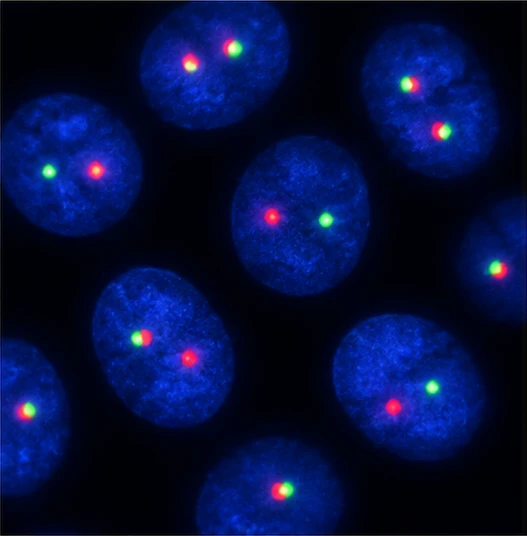
Extending the diagnostic field.
Cytomolecular testing complements core histopathology by extending cellular and molecular sampling across defined regions of the prostate.
When pre-biopsy clinical and MRI findings suggest that focal or targeted therapy may be considered, fine-needle aspiration can be performed alongside core biopsy to provide additional information about the presence, biology and distribution of prostate cancer.
Fine-needle aspiration provides cellular material for cytologic evaluation and appropriate molecular testing while preserving the identity of the region from which each specimen was obtained.
Broader sampling. Additional context.
Core biopsy and fine-needle aspiration provide different but complementary forms of diagnostic information.
Core biopsy
Preserves tissue architecture for histopathologic diagnosis, Gleason grading and quantitative assessment.
Fine-needle aspiration
Can extend sampling across additional defined regions of the prostate without requiring a corresponding core from every location.
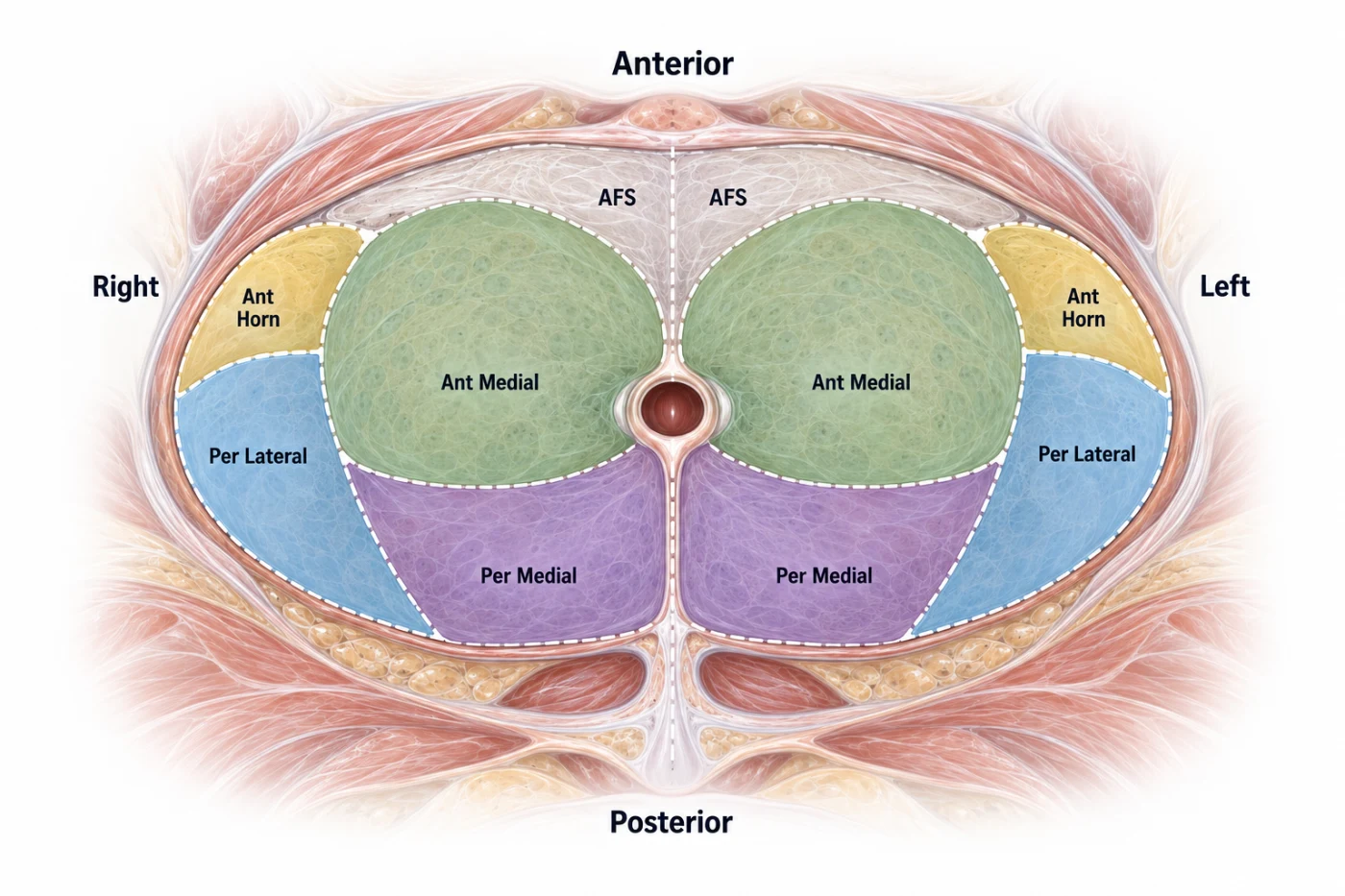
BioVantra's cytomolecular approach typically samples eight longitudinal regions extending from apex to base: peripheral medial, peripheral lateral, anterior medial and anterior horn on the right, with the corresponding four regions on the left.
Right
Peripheral medial
Peripheral lateral
Anterior medial
Anterior horn
Left
Peripheral medial
Peripheral lateral
Anterior medial
Anterior horn
Multiple aspiration passes within each region broaden the sampled field while maintaining the spatial identity of the specimen.
The objective is not to duplicate the core biopsy, but to add cellular observations from a broader spatial distribution of the gland.
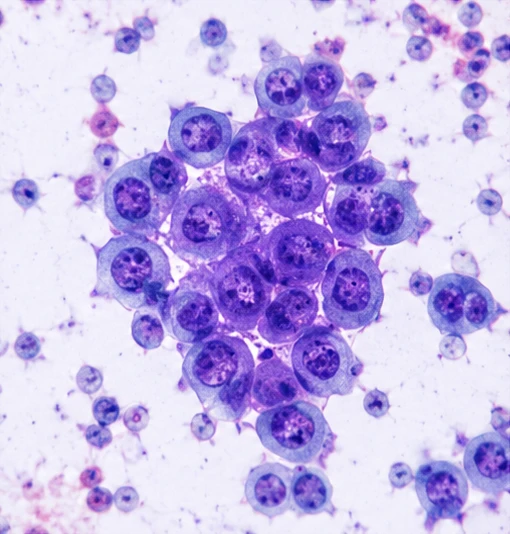
Cellular characterization.
Cytologic evaluation examines the cellular features of material obtained from each sampled region. Findings are reported using a standardized diagnostic framework ranging from no cytological evidence of malignancy through atypical and suspicious findings to prostatic carcinoma.
When carcinoma is identified, cytologic features provide additional information about tumor differentiation while the result remains associated with the region from which the specimen was obtained.
These categories describe cytologic findings in aspirated material and are distinct from Gleason score and Grade Group, which are assigned from histologic evaluation of core biopsy tissue.